Machine downtime is one of the biggest challenges in uPVC window fabrication. Even a minor component failure can halt production, delay customer orders, and increase operating costs. For this reason, every fabricator should maintain an inventory of essential machine spares to keep equipment running efficiently and minimize unexpected interruptions.
Whether you operate a small fabrication workshop or a large manufacturing facility, having the right spare parts readily available can significantly improve productivity and reduce costly downtime.
Why Keeping Machine Spares in Stock Matters
Many fabrication businesses only replace parts when a failure occurs. Unfortunately, waiting for replacement components can result in hours or even days of lost production.
Maintaining a stock of critical machine spares provides several benefits:
- Reduced machine downtime
- Faster repairs
- Improved production efficiency
- Lower maintenance costs
- Increased equipment lifespan
- Better customer service through on-time delivery
A proactive approach to spare parts management helps prevent small issues from becoming major production problems.
Cutting Machine Spares
Cutting machines are among the most heavily used pieces of equipment in uPVC fabrication facilities. Their components experience constant wear and should be monitored closely.
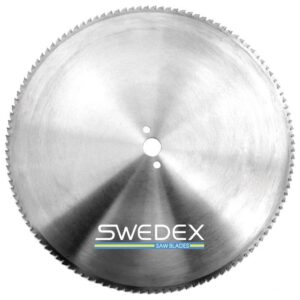
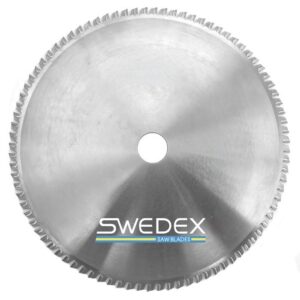
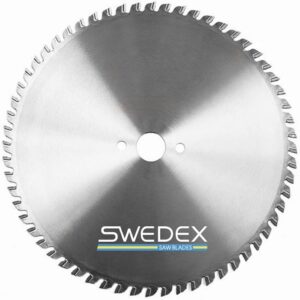
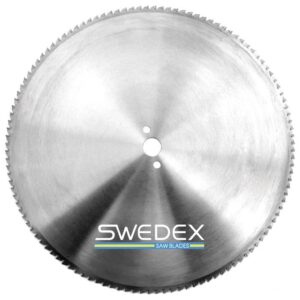
Saw Blades
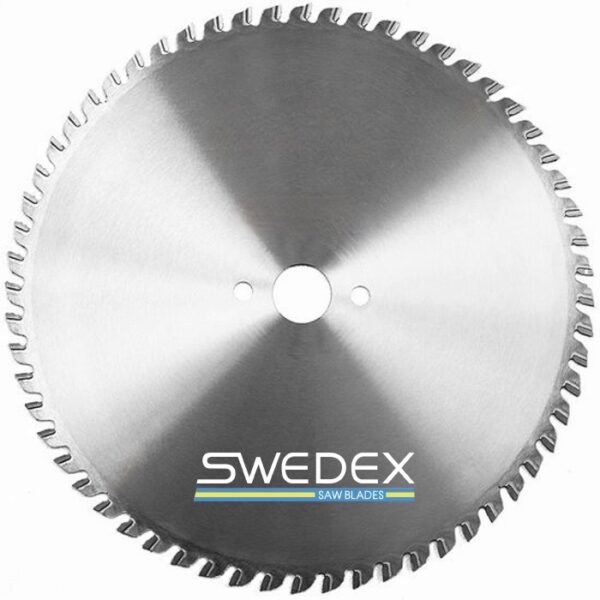
Saw blades are consumable items that should always be available in stock.
Important options include:
- TCT saw blades
- Aluminium cutting blades
- Profile cutting blades
- High-precision fabrication blades
Keeping spare blades available allows operators to maintain cutting quality and avoid production delays.
Blade Flanges
Blade flanges help secure the saw blade and ensure accurate cutting performance.
Damaged or worn flanges can cause:
- Excessive vibration
- Poor cut quality
- Blade instability
- Increased machine wear
Having replacement flanges readily available is essential for maintaining precision.
Drive Belts
Drive belts transfer power within cutting machines and naturally wear over time.
Common signs of belt wear include:
- Slipping
- Reduced cutting efficiency
- Unusual noise
- Vibration
Stocking replacement belts helps prevent unexpected breakdowns.
Pneumatic System Components
Most uPVC fabrication machinery relies heavily on compressed air systems.
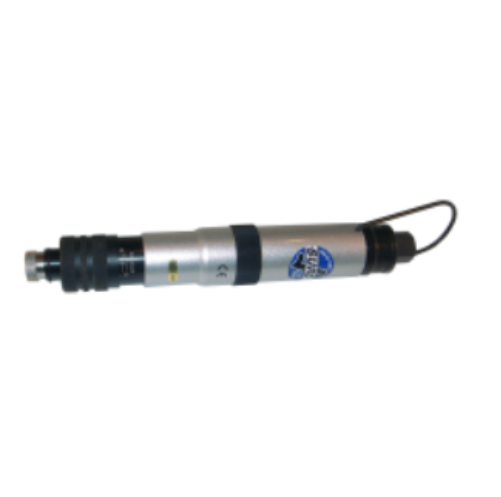
Pneumatic Cylinders
Pneumatic cylinders control many machine movements and clamping operations.
Over time they may develop:
- Air leaks
- Seal failures
- Reduced performance
Keeping spare cylinders available can dramatically reduce repair times.
Air Preparation Units
Air treatment systems help ensure clean, dry compressed air reaches machinery.
Important spare components include:
- Air filters
- Regulators
- Lubricators
- Pressure gauges
These parts play a critical role in maintaining reliable pneumatic performance.
Solenoid Valves
Solenoid valves control airflow throughout fabrication equipment.
A failed valve can stop an entire machine from operating correctly.
Maintaining spare valves on-site allows maintenance teams to restore production quickly.
Welding Machine Spares
uPVC welding machines are critical for producing strong and accurate window frames.
PTFE Covers
PTFE covers prevent molten material from sticking to welding surfaces.
Because they experience constant heat exposure, they require regular replacement.
Benefits of keeping spare PTFE covers include:
- Consistent weld quality
- Reduced contamination
- Faster maintenance procedures
Heating Elements
Heating plates and elements are essential components in welding machines.
A failed heating element can completely halt production.
Keeping replacement units available helps avoid costly delays.
Temperature Sensors
Accurate temperature control is critical for successful welding operations.
Faulty sensors may result in:
- Weak welds
- Burned profiles
- Increased material waste
Spare sensors are inexpensive compared to the cost of production interruptions.
Corner Cleaning Machine Spares
Corner cleaning machines operate continuously in many fabrication facilities.
Several components require routine replacement.
Router Cutters
Router cutters gradually lose sharpness during use.
Dull cutters can create:
- Poor surface finishes
- Reduced accuracy
- Slower production speeds
Maintaining a stock of replacement cutters ensures consistent cleaning quality.
Bearings
Bearings support rotating components throughout the machine.
Common signs of bearing failure include:
- Excessive vibration
- Noise
- Reduced machine performance
Replacing worn bearings early helps prevent larger mechanical failures.
Guide Rollers
Guide rollers assist with profile positioning and movement.
Because they experience continuous contact with materials, they should be inspected regularly and replaced when necessary.
Hardware and Electrical Components
Even small components can stop production if replacements are unavailable.
Limit Switches
Limit switches help control machine positioning and safety functions.
These components are relatively inexpensive but extremely important.
Sensors
Fabrication machines often rely on sensors for:
- Position detection
- Profile measurement
- Automation functions
Keeping replacement sensors available can reduce troubleshooting time.
Electrical Contactors
Contactors manage power distribution within machinery.
Electrical failures involving contactors are common in industrial environments.
Maintaining spare units can prevent lengthy repair delays.
Consumable Parts Every Workshop Should Stock
Certain components experience routine wear and should always be available.
Recommended consumables include:
- Saw blades
- PTFE covers
- Filters
- Drive belts
- Router cutters
- Pneumatic fittings
- Air hoses
- Seals
- Bearings
- Lubricants
These items often have predictable replacement intervals and should be included in every maintenance inventory.
How to Prioritize Spare Parts Inventory
Not every component requires the same stocking strategy.
A practical approach is to classify parts according to their importance.
Critical Spares
These are components that can immediately stop production.
Examples include:
- Saw blades
- Pneumatic cylinders
- Solenoid valves
- Heating elements
These items should always be available on-site.
Important Spares
These parts may not stop production instantly but can significantly affect efficiency.
Examples include:
- Bearings
- Rollers
- Sensors
- Belts
Maintaining backup stock is highly recommended.
Non-Critical Spares
Less frequently used components can often be ordered as needed.
However, lead times should always be considered when making inventory decisions.
Benefits of a Preventive Spare Parts Strategy
A structured spare parts program helps fabricators achieve:
- Higher production uptime
- Improved machine reliability
- Better maintenance planning
- Reduced emergency repairs
- Lower operating costs
- Increased customer satisfaction
Rather than reacting to equipment failures, successful fabrication businesses prepare for them in advance.
Frequently Asked Questions
What are the most important machine spares for uPVC fabricators?
Saw blades, pneumatic cylinders, PTFE covers, solenoid valves, bearings, and drive belts are among the most critical spare parts.
Why should fabrication workshops stock spare saw blades?
Saw blades wear continuously and directly impact cutting quality, production speed, and overall machine performance.
How often should pneumatic components be replaced?
Replacement schedules depend on machine usage, air quality, and maintenance practices. Regular inspections are recommended.
Are PTFE covers considered consumable items?
Yes. PTFE covers experience constant heat exposure and should be replaced periodically to maintain weld quality.
What spare parts help reduce machine downtime the most?
Critical items such as saw blades, heating elements, cylinders, and valves often have the greatest impact on minimizing downtime.
Should small workshops keep spare machine parts in stock?
Yes. Even small operations can experience costly production delays when critical components are unavailable.
How can fabricators determine which spares to stock?
Focus on parts that wear frequently, fail unexpectedly, or require long supplier lead times.
What is the biggest benefit of maintaining spare parts inventory?
The primary advantage is reducing machine downtime and ensuring continuous production.