When selecting a triple chip saw blade for aluminium, uPVC, or non-ferrous metal cutting, one of the most important specifications to consider is the rake angle. Many fabricators focus on blade diameter, tooth count, or carbide quality while overlooking the impact of positive and negative rake angles on cutting performance.
Understanding the difference between positive and negative rake triple chip saw blades can help improve cut quality, increase blade life, enhance operator safety, and optimize production efficiency.
What Is a Triple Chip Saw Blade?
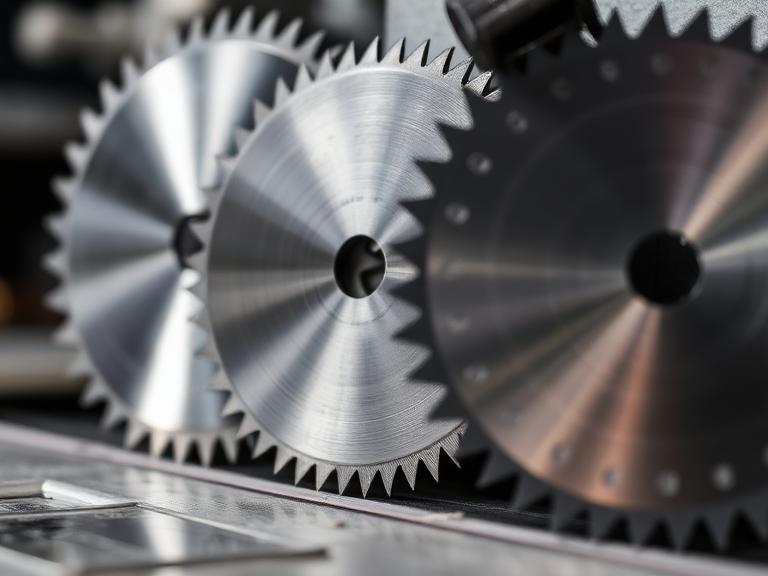
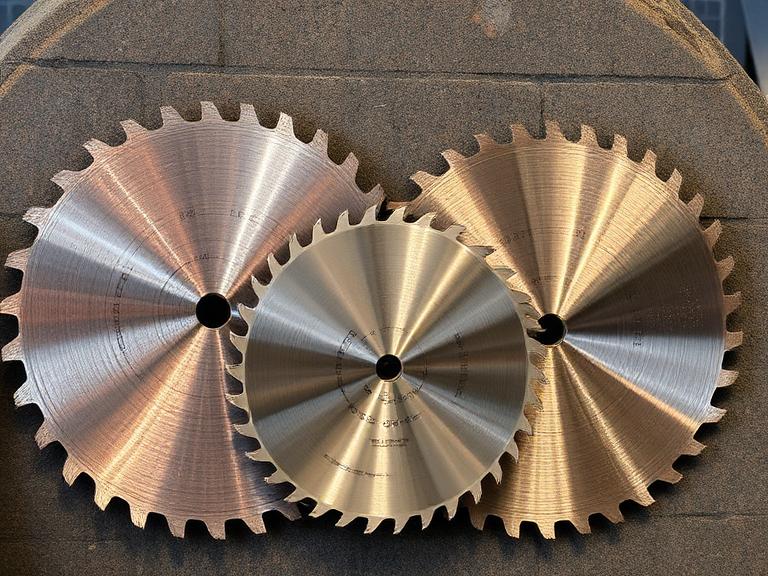
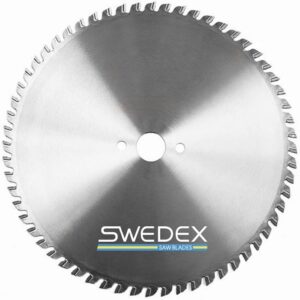
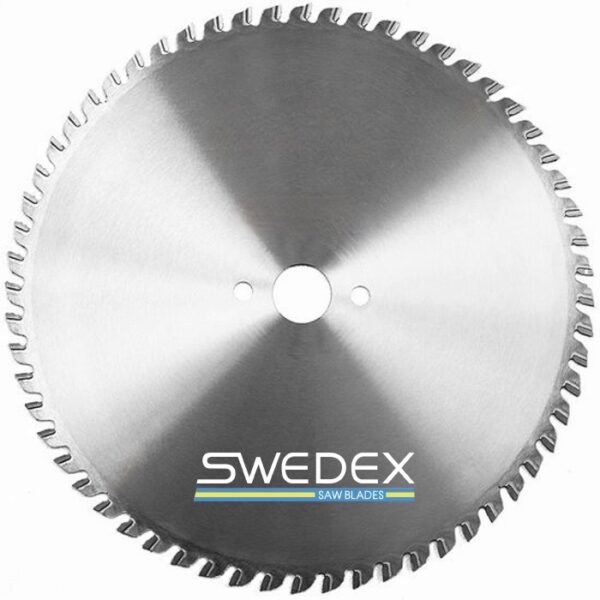
A Triple Chip Grind (TCG) blade features a tooth pattern that alternates between a trapezoidal tooth and a flat-top tooth.
This tooth design is widely used for cutting:
- Aluminium profiles
- uPVC window profiles
- Laminated materials
- Composite panels
- Non-ferrous metals
- Plastic materials
The unique tooth geometry reduces chipping, improves edge quality, and distributes cutting forces more evenly than many other blade designs.
Because of these advantages, triple chip blades are commonly used in professional fabrication and manufacturing environments.
What Is Rake Angle?
The rake angle refers to the angle of the blade tooth relative to the center of the blade.
This angle influences how aggressively the tooth enters the material during cutting.
The two most common options are:
- Positive rake angle
- Negative rake angle
Although the difference may appear small, it has a significant effect on cutting behavior.
What Is a Positive Rake Triple Chip Blade?
A positive rake blade features teeth that lean forward in the direction of rotation.
This design allows the blade to pull itself into the material more aggressively.
Common positive rake angles include:
- +5°
- +10°
- +15°
Positive rake blades are often selected when faster cutting speeds are required.
Advantages of Positive Rake Triple Chip Blades
Faster Material Removal
Positive rake teeth engage the material more aggressively.
Benefits include:
- Faster feed rates
- Increased productivity
- Reduced cutting time
This makes them attractive for operations focused on production output.
Lower Cutting Resistance
Positive rake blades generally require less cutting force.
As a result:
- Motors work less aggressively
- Energy consumption may decrease
- Operators experience smoother feeding
Better Performance on Softer Materials
Many fabricators prefer positive rake blades when cutting:
- uPVC profiles
- Plastic sheets
- Softer aluminium sections
The aggressive cutting action helps maintain efficiency.
Disadvantages of Positive Rake Blades
While positive rake designs offer several advantages, they also have limitations.
Increased Risk of Material Grab
The blade may pull the material into the cut more aggressively.
This can result in:
- Reduced control
- Increased vibration
- Greater safety concerns on certain machines
More Stress on Teeth
The aggressive cutting action may increase wear under demanding conditions.
This can potentially shorten blade life when used incorrectly.
What Is a Negative Rake Triple Chip Blade?
A negative rake blade features teeth angled backward relative to the direction of rotation.
Common negative rake angles include:
- -5°
- -6°
- -10°
These blades cut less aggressively and offer greater control during operation.
They are widely used on industrial saws and automated cutting systems.
Advantages of Negative Rake Triple Chip Blades
Improved Cutting Control
Negative rake teeth enter the material more gradually.
Benefits include:
- Reduced vibration
- Increased stability
- Greater operator control
This is particularly valuable when cutting expensive materials.
Superior Finish Quality
Because the blade cuts more smoothly, it often produces:
- Cleaner edges
- Reduced burr formation
- Improved surface finish
Many aluminium fabricators prefer negative rake blades for precision work.
Enhanced Safety
Negative rake geometry reduces the tendency of the blade to self-feed.
This can improve safety on:
- Mitre saws
- Chop saws
- Automatic saws
- Double-head cutting machines
Longer Blade Life
Because cutting forces are distributed more evenly, negative rake blades often experience less tooth stress and slower wear.
Disadvantages of Negative Rake Blades
Despite their advantages, negative rake blades are not ideal for every application.
Slower Cutting Speeds
Negative rake blades generally remove material more slowly.
This may reduce throughput in high-speed production environments.
Higher Cutting Resistance
Machines may require more power because the blade enters the material less aggressively.
For some operations, this can slightly reduce efficiency.
Positive vs Negative Rake: Direct Comparison
Cutting Speed
Positive rake blades typically provide faster cutting speeds.
Winner: Positive Rake
Cut Quality
Negative rake blades often deliver cleaner finishes and less burr formation.
Winner: Negative Rake
Blade Lifespan
Negative rake designs frequently offer longer service life due to reduced tooth stress.
Winner: Negative Rake
Operator Safety
Negative rake blades generally provide greater stability and control.
Winner: Negative Rake
Productivity
Positive rake blades can improve production output through faster feed rates.
Winner: Positive Rake
Which Rake Angle Is Best for Aluminium?
For most aluminium fabrication applications, negative rake triple chip blades are often preferred.
Reasons include:
- Cleaner cuts
- Better control
- Reduced burrs
- Improved blade life
- Enhanced safety
This is why many industrial aluminium cutting machines are designed around negative rake blade specifications.
Which Rake Angle Is Best for uPVC?
For uPVC window fabrication, both options can work effectively.
Positive rake blades may be beneficial when:
- Speed is the priority
- Materials are relatively soft
- High production volumes are required
Negative rake blades may be preferred when:
- Maximum cut quality is required
- Precision is critical
- Material movement must be minimized
The ideal choice depends on machine type and production goals.
Factors to Consider Before Choosing
Before purchasing a triple chip saw blade, evaluate:
- Material type
- Machine specifications
- Production volume
- Desired cut quality
- Operator experience
- Safety requirements
Selecting the proper rake angle can dramatically improve cutting performance and overall efficiency.
Frequently Asked Questions
What is a triple chip saw blade used for?
Triple chip blades are commonly used for cutting aluminium, uPVC, plastics, laminates, and other non-ferrous materials.
What does positive rake mean on a saw blade?
Positive rake means the teeth lean forward, creating a more aggressive cutting action.
What does negative rake mean on a saw blade?
Negative rake means the teeth lean backward, resulting in a smoother and more controlled cutting process.
Which rake angle is better for aluminium?
Negative rake blades are generally preferred for aluminium because they provide cleaner cuts and improved control.
Are positive rake blades faster?
Yes. Positive rake blades usually allow faster feed rates and quicker material removal.
Do negative rake blades last longer?
In many applications, negative rake blades experience less tooth stress and can provide longer service life.
Which blade is safer to use?
Negative rake blades are often considered safer because they reduce the tendency to pull material into the cut.
Can both blade types cut uPVC?
Yes. Both positive and negative rake triple chip blades can cut uPVC effectively when matched to the correct machine and application.