A transom door stop is a critical overhead door control device engineered to restrict, stabilise, and precisely position doors that pivot from the top or are installed in high-traffic commercial environments. Unlike standard floor or wall-mounted stops, this hardware solution is purpose-built for transom or overhead door configurations where controlled movement, durability, and safety are non-negotiable.
For facilities managers, contractors, and commercial property owners across the UK, selecting the right transom door stop directly impacts door lifespan, frame integrity, and user safety. Inferior hardware leads to misalignment, hinge stress, structural wear, and avoidable maintenance costs. A professionally specified solution eliminates those risks while delivering smooth, predictable performance.
At WMC Online, the focus is on supplying dependable door control hardware that meets commercial standards without compromise.
What Is a Transom Door Stop?
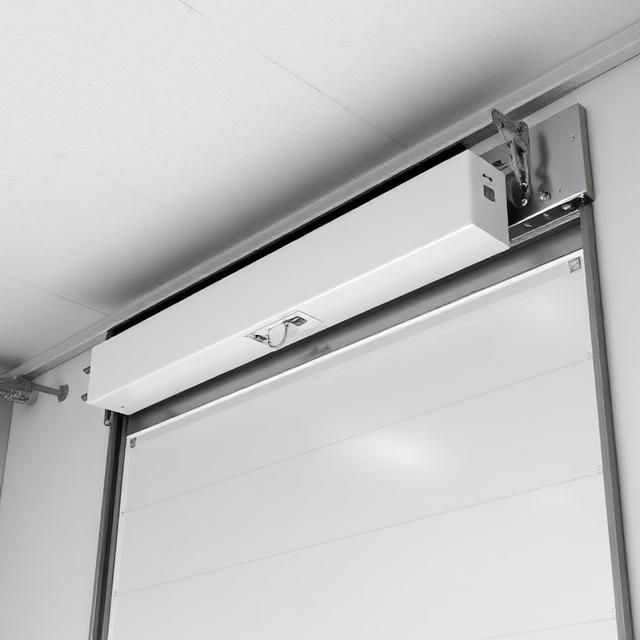
A transom door stop is typically installed at the head of the door frame or integrated within a transom assembly to:
• Limit door swing to a controlled angle
• Prevent impact damage to frames and walls
• Reduce strain on overhead closers and pivots
• Improve safety in high-traffic zones
This makes it especially relevant in retail units, offices, schools, healthcare facilities, and industrial sites where overhead or pivoted doors are common.
While many door stops are reactive solutions, a properly specified Transom Stop acts as a preventative control system, protecting both the door hardware and surrounding structure from cumulative damage.
Why Door Control Matters in Commercial Settings
Door control hardware is often underestimated until problems emerge. In commercial buildings, uncontrolled door swing can cause:
• Damage to glazing or adjacent walls
• Failure of door closers
• Compromised fire door performance
• Increased liability due to unsafe movement
Installing a transom door stop is not simply about limiting travel; it is about preserving structural integrity and maintaining compliance standards.
In high-footfall environments, precision hardware is not optional. It is operational infrastructure.
Key Features of a Quality Transom Stop
When evaluating a Transom Stop, attention should focus on structural strength, installation compatibility, and long-term reliability.
Below is a simplified overview of essential characteristics:
| Feature | Benefit | Application Impact |
|---|---|---|
| Heavy-duty construction | Withstands repeated use | Ideal for commercial traffic |
| Precision stop control | Accurate swing limitation | Prevents frame damage |
| Corrosion-resistant finish | Long-term durability | Suitable for UK climate |
| Compact overhead design | Discreet installation | Clean architectural finish |
| Secure mounting system | Stable positioning | Reduced maintenance |
Each element contributes to predictable door behaviour and reduced lifecycle cost.
Applications Across the UK Market
A transom door stop is suitable for a wide range of professional environments:
• Commercial office buildings
• Retail entrances
• Educational institutions
• Healthcare facilities
• Warehouses and industrial units
• Public sector buildings
Wherever overhead or pivot doors operate, hardware must deliver both mechanical strength and controlled motion.
UK contractors increasingly specify transom-based hardware to meet modern building expectations around durability and safety compliance.
Installation Considerations
Correct installation determines performance. A poorly fitted transom door stop undermines even the strongest product design.
Important installation principles include:
• Accurate alignment with pivot or closer systems
• Secure fixing into structural substrate
• Correct positioning to achieve intended swing limit
• Compatibility with existing overhead hardware
Professional installers understand that precision at the fitting stage ensures long-term stability and prevents unnecessary adjustment cycles.
For trade buyers sourcing through WMC Online, product specifications are designed to simplify installation and reduce on-site modification.
Durability and Material Strength
Door hardware in commercial settings must tolerate thousands of cycles per week. A high-quality transom door stop should offer:
• Reinforced internal structure
• Industrial-grade fastenings
• Impact-resistant body
• Surface finish resistant to corrosion and abrasion
This level of durability protects the investment in the door assembly itself. Frames, closers, hinges, and glazing all benefit from controlled motion and reduced mechanical stress.
Short-term hardware may appear cost-effective, but premature failure increases labour and replacement costs. Commercial-grade hardware eliminates that risk.
Transom Stop vs Standard Door Stops
It is important to distinguish between a standard wall or floor stop and a purpose-built Transom Stop.
Standard stops:
• Designed primarily for domestic applications
• Limited strength
• Reactive impact absorption
Transom-based systems:
• Engineered for overhead installations
• Control door movement proactively
• Protect pivot and closer assemblies
• Designed for commercial duty cycles
Selecting the correct hardware category ensures regulatory compliance and long-term performance.
Performance and Safety Compliance
In many commercial buildings, doors are part of fire safety strategies or controlled access systems. Hardware must not interfere with:
• Door closer functionality
• Fire door certification
• Access control integration
• Emergency egress routes
A properly selected transom door stop works alongside these systems rather than against them. It supports controlled movement without compromising safety design.
Building managers increasingly prioritise hardware that meets operational and compliance requirements simultaneously.
Maintenance and Lifecycle Value
High-quality overhead door hardware should require minimal maintenance beyond routine inspections.
Recommended best practices include:
• Periodic check of fixings
• Inspection for surface wear
• Alignment verification
• Replacement only when structurally compromised
When installed correctly, a commercial-grade transom door stop delivers years of reliable performance.
The true value lies not in initial price, but in reduced service calls, lower repair costs, and extended door system lifespan.
Commercial Buying Considerations
For contractors and procurement teams, selecting the right product involves balancing:
• Durability
• Installation efficiency
• Cost-effectiveness
• Supplier reliability
• Availability within the UK
Working with a specialist supplier such as WMC Online simplifies sourcing. Reliable stock levels, clear specifications, and professional-grade hardware reduce procurement delays and ensure consistent quality.
In competitive project environments, dependable hardware supports both timelines and reputation.
Why Choose a Specialist Supplier
Door control hardware is a technical category. Purchasing from a general marketplace risks receiving substandard materials lacking structural strength.
A focused supplier offers:
• Product clarity
• Commercial suitability
• Trade reliability
• UK delivery efficiency
• Accurate product information
When specifying a transom door stop for commercial use, hardware quality directly influences long-term building performance.
Frequently Asked Questions About transom door stop
What is the purpose of a transom door stop?
It limits and controls the swing of overhead or pivot doors to prevent structural damage and improve safety.
Is a Transom Stop suitable for fire doors?
Yes, when correctly specified and installed without interfering with fire door certification or closer function.
Can it be used in residential properties?
It can, but it is primarily designed for commercial or high-traffic applications.
Does installation require a professional?
Professional installation is recommended to ensure alignment, structural fixing, and correct swing limitation.
Why buy from WMC Online?
Because product reliability, commercial-grade standards, and UK-focused supply ensure dependable performance.
If you are specifying or upgrading overhead door hardware, choosing the correct transom door stop ensures safety, durability, and long-term cost control.