Choosing between TCT and HSS saw blades for aluminium cutting is one of the most important decisions for fabricators, manufacturers, and workshop operators. The right blade can improve cutting accuracy, reduce production costs, extend machine life, and deliver cleaner finishes on aluminium profiles.
Both blade types have their advantages, but their performance differs significantly depending on production volume, material thickness, and cutting requirements. Understanding these differences can help you select the most efficient solution for your operation.
Understanding TCT and HSS Saw Blades
Before comparing performance, it’s important to understand how each blade is constructed.
What Are TCT Saw Blades?
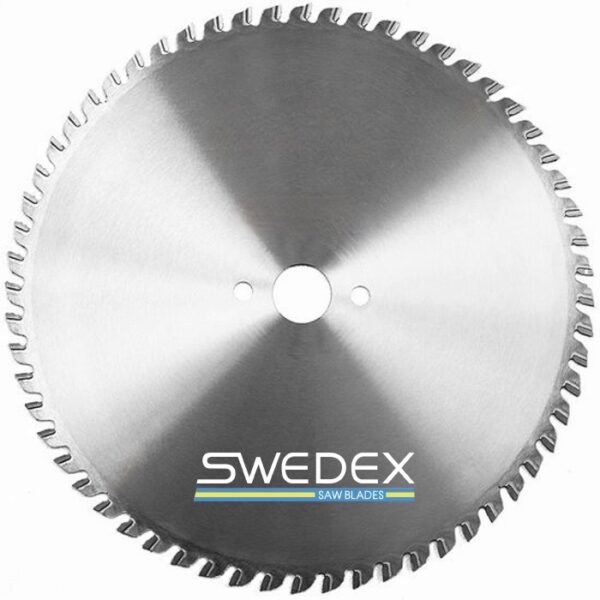
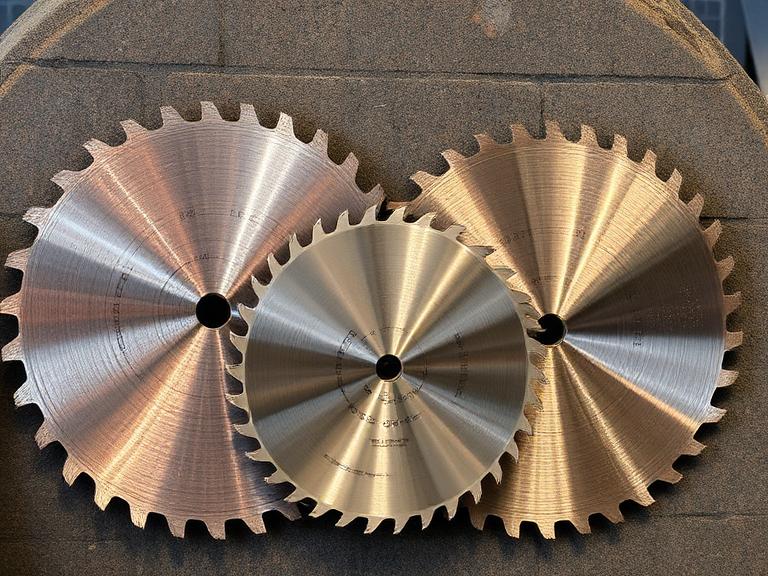
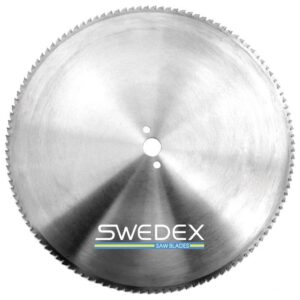
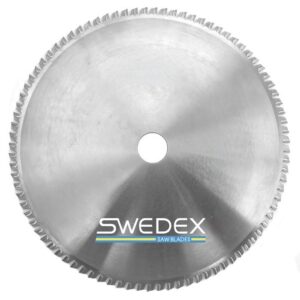
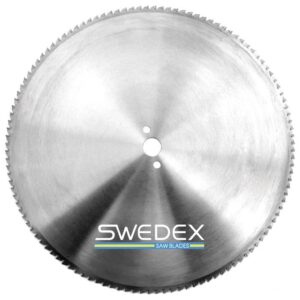
TCT stands for Tungsten Carbide Tipped. These blades feature carbide teeth attached to a steel body. Tungsten carbide is an extremely hard material that retains sharpness much longer than traditional steel cutting edges.
TCT blades are commonly used in:
- Aluminium fabrication
- Window manufacturing
- Industrial production
- Metal cutting applications
- High-volume workshops
Their durability and cutting precision make them one of the most popular choices for aluminium processing.
What Are HSS Saw Blades?
HSS stands for High-Speed Steel. These blades are manufactured from hardened steel designed to withstand high cutting temperatures.
HSS blades are frequently used for:
- Light manufacturing
- Small workshops
- Manual cutting operations
- General-purpose metal cutting
While HSS blades remain widely used, advances in carbide technology have made TCT blades increasingly popular across many industries.
Cutting Performance Comparison
When cutting aluminium, blade performance directly affects production quality.
Cut Quality
One of the biggest differences between TCT and HSS blades is the quality of the finished cut.
TCT blades typically produce:
- Smoother edges
- Reduced burr formation
- Greater cutting accuracy
- Cleaner finishes
Because carbide teeth remain sharp longer, they continue delivering consistent results throughout their service life.
HSS blades can also produce clean cuts, but their performance tends to decline more quickly as the blade wears.
Winner: TCT
For achieving high-quality aluminium cuts with minimal finishing work, TCT blades generally outperform HSS alternatives.
Durability and Lifespan
Blade longevity plays a major role in overall operating costs.
TCT Blade Lifespan
Tungsten carbide is significantly harder than high-speed steel.
Benefits include:
- Longer service life
- Reduced wear
- Better resistance to heat
- Less frequent blade changes
In high-production environments, a quality TCT blade may last several times longer than an equivalent HSS blade.
HSS Blade Lifespan
HSS blades wear faster when cutting aluminium regularly.
Common challenges include:
- Faster tooth wear
- More frequent sharpening
- Increased replacement frequency
Although they can be re-sharpened multiple times, the additional maintenance can increase downtime.
Winner: TCT
For durability and long-term reliability, TCT blades offer a clear advantage.
Cutting Speed and Productivity
Manufacturers often prioritize productivity when selecting cutting tools.
TCT Cutting Speed
TCT blades are designed for efficient material removal while maintaining excellent cut quality.
Advantages include:
- Faster feed rates
- Reduced production delays
- Greater throughput
- Consistent performance during long shifts
HSS Cutting Speed
HSS blades can provide satisfactory cutting speeds, but operators often need to reduce feed rates as the blade wears.
This can lead to:
- Slower production
- Increased downtime
- Reduced efficiency
Winner: TCT
For workshops seeking maximum productivity, TCT blades generally deliver superior results.
Heat Resistance
Heat generation is a common concern when cutting aluminium.
Excessive heat can cause:
- Poor surface finishes
- Blade wear
- Material deformation
- Reduced cutting efficiency
TCT Heat Resistance
Carbide teeth withstand high temperatures effectively and maintain sharpness under demanding conditions.
HSS Heat Resistance
While HSS blades are designed to handle heat, prolonged cutting can accelerate wear and reduce cutting performance.
Winner: TCT
TCT blades typically perform better in continuous production environments where heat buildup is unavoidable.
Cost Comparison
Initial purchase price is often an important consideration.
TCT Blade Cost
TCT blades usually have a higher upfront cost.
However, this investment is often offset by:
- Longer lifespan
- Reduced downtime
- Lower maintenance requirements
- Better cutting efficiency
HSS Blade Cost
HSS blades are generally less expensive to purchase initially.
This can make them attractive for:
- Small workshops
- Occasional use
- Low-volume production
However, replacement and sharpening costs can accumulate over time.
Winner: HSS (Initial Cost)
For buyers focused solely on purchase price, HSS blades are usually more affordable.
Maintenance Requirements
Proper blade maintenance helps maximize performance.
Maintaining TCT Blades
TCT blades require:
- Regular cleaning
- Professional sharpening
- Routine inspection
Because they stay sharp longer, maintenance intervals are typically less frequent.
Maintaining HSS Blades
HSS blades often require:
- More frequent sharpening
- Additional inspections
- Increased monitoring of wear
This can lead to more production interruptions.
Winner: TCT
Less maintenance generally translates into lower operating costs and greater efficiency.
Best Applications for TCT Saw Blades
TCT blades are ideal for:
- Aluminium window fabrication
- Curtain wall production
- Industrial aluminium processing
- High-volume manufacturing
- Precision cutting applications
Their durability and cutting quality make them the preferred choice in most professional environments.
Best Applications for HSS Saw Blades
HSS blades may still be suitable for:
- Small workshops
- Occasional cutting tasks
- Limited production runs
- Budget-conscious operations
For low-volume work, the lower initial cost can sometimes justify their use.
Which Blade Is Better for Aluminium?
For most aluminium fabrication applications, TCT saw blades provide the best overall value.
They offer:
- Superior cut quality
- Longer lifespan
- Better productivity
- Reduced downtime
- Improved heat resistance
- Lower long-term operating costs
While HSS blades remain useful for certain situations, professional fabricators and manufacturers generally achieve better results with TCT technology.
Frequently Asked Questions
Are TCT blades better than HSS for aluminium?
Yes. TCT blades typically provide cleaner cuts, longer life, and higher productivity when cutting aluminium.
Why do fabricators prefer TCT blades?
Because they stay sharp longer, reduce downtime, and deliver consistent cutting quality.
Can HSS blades cut aluminium effectively?
Yes. HSS blades can cut aluminium successfully, particularly in light-duty or low-volume applications.
Do TCT blades cost more than HSS blades?
Yes. TCT blades usually have a higher upfront price but often provide lower overall operating costs.
Which blade lasts longer?
TCT blades generally last significantly longer due to the hardness of tungsten carbide teeth.
Are TCT blades suitable for high-volume manufacturing?
Absolutely. They are commonly used in industrial production environments because of their durability and efficiency.
How often should aluminium saw blades be sharpened?
Sharpening frequency depends on usage levels, material thickness, and cutting conditions. Regular inspections are recommended.
What is the biggest advantage of TCT saw blades?
Their combination of durability, cutting precision, and long-term cost efficiency makes them the preferred choice for aluminium cutting.