Clamping Bar Materials and Build Quality Explained
Clamping bar tools are essential components in industrial and workshop settings, designed to provide secure and precise pressure for holding materials in place during cutting, bonding, or assembly.
Understanding the materials and build quality of these tools is key to ensuring durability, stability, and consistent performance.
Order Now →
In this article, we’ll break down the most common clamping bar materials, explore how construction quality impacts their lifespan, and help you choose the right clamping bar for your specific applications.
You can find such professional-grade options at
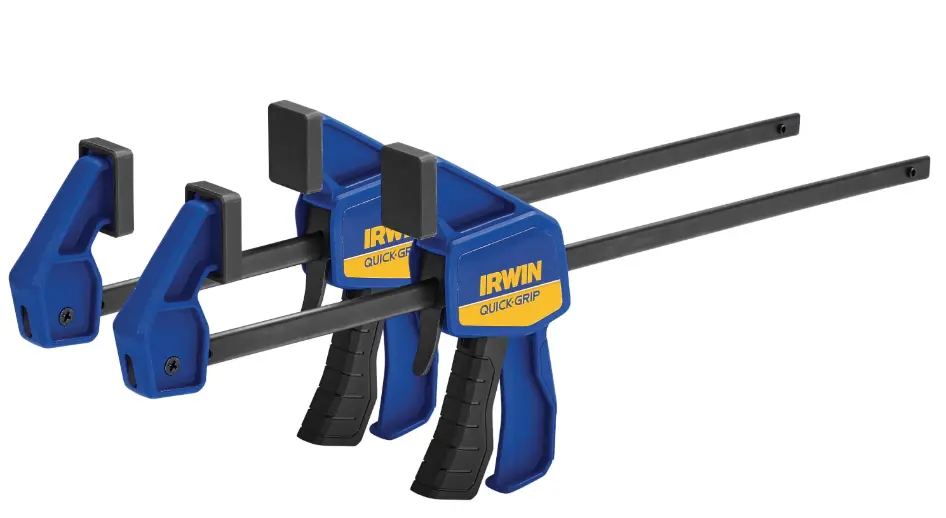
👉 WMC Online’s Quick Grip Bar Clamp Spreader — offering top performance at one of the best prices in the UK.
1. What Is a Clamping Bar and Why It Matters
A quick grip clamps (often known as a bar clamp tool) is designed to hold materials firmly in place during assembly, gluing, cutting, or welding. Unlike simple spring clamps, bar clamps use a long metal bar that allows for adjustable pressure and wider openings — ideal for larger panels or heavy-duty workpieces.
From joinery shops to home workshops across the UK, these clamps are a daily necessity for ensuring precision and consistency in every build. Whether you’re making furniture, doors, or metal frames, the clamping bar is the “extra hand” that keeps everything perfectly aligned.
2. Common Clamping Bar Materials and Their Differences
The choice of material directly affects a clamp’s strength, weight, corrosion resistance, and price. Here’s a breakdown of the most common materials used in clamping bars:
a. Carbon Steel
The most common material for professional-grade clamping bars.
-
Strength: High tensile strength for heavy-duty applications.
-
Durability: Resistant to deformation even under high pressure.
-
Drawback: Susceptible to rust if not coated or stored properly.
b. Stainless Steel
Perfect for humid environments or outdoor use.
-
Advantage: Corrosion-resistant, low maintenance.
-
Common Use: Metalworking and marine fabrication.
-
Cost: Slightly more expensive than carbon steel, but worth it for longevity.
c. Aluminium Alloy
Lightweight yet sturdy — ideal for quick adjustments and portability.
-
Pros: Easy to handle, won’t rust, suitable for light to medium-duty tasks.
-
Cons: Not suitable for very high clamping pressure.
d. Cast Iron
Classic material known for strength and rigidity.
-
Usage: Often used for clamp jaws or bases rather than the bar itself.
-
Advantage: Excellent pressure resistance.
-
Limitation: Heavier and less portable.
e. Reinforced Polymer Hybrid
Modern manufacturing has introduced polymer-reinforced bars for lightweight use.
-
Benefit: Non-marring surfaces that protect delicate materials.
-
Best For: Woodworkers working with veneers or softwoods.

3. Build Quality: The Key to Performance and Longevity
Even with high-quality materials, build quality determines how effective a clamping bar will be.
A good clamping bar tool features:
-
Precision-Machined Rails: Ensures smooth movement of the sliding jaw.
-
Hardened Steel Screws: For consistent tightening and longer thread life.
-
Non-slip Handles: Essential for applying controlled pressure safely.
-
Heat-Treated Components: Prevents bending and fatigue under constant use.
-
Protective Coatings: Powder-coated or chrome-plated finishes to resist rust.
Professional users in the UK often look for clamps that meet industrial standards (BS/EN ISO) to guarantee safety and quality.
4. Adjustable and Heavy-Duty Clamping Bars: When to Use Each
The adjustable clamping bar is designed for versatility — it lets you secure materials of different thicknesses quickly, ideal for carpenters who switch between small and large projects.
In contrast, heavy-duty clamping bars are engineered for serious pressure. They’re perfect for:
-
Welding and metal fabrication
-
Frame construction
-
Industrial woodworking
A heavy-duty metal clamping bar UK model is typically made from forged steel with oversized jaws, capable of holding multiple components under significant tension without warping.
5. Clamping Bar Use in Woodworking and Metalworking
In woodworking, clamping bars are essential for:
-
Gluing panels or tabletops
-
Assembling furniture frames
-
Holding mitres and joints while adhesives cure
In metalworking, they’re used for:
-
Aligning steel sheets
-
Holding pieces steady for welding
-
Preventing movement during drilling or grinding
The key benefit across both crafts is precision under pressure — maintaining exact alignment from start to finish.
6. Choosing the Right Clamping Bar for Your Workshop
When buying a clamping bar tool, consider:
-
Length: Longer bars offer greater reach for wide materials.
-
Clamping Force: Measured in kilograms or pounds — choose according to your typical workload.
-
Jaw Material: Rubber-coated jaws protect delicate surfaces.
-
Ease of Use: Quick-release or one-handed mechanisms save time.
-
Brand Reputation: Established manufacturers like Irwin or Bessey offer proven durability.
💡 Pro Tip: If you need both bar and spreader functionality, consider a quick grip bar clamp spreader that converts easily between holding and separating modes — ideal for flexible, on-site work.
7. Maintaining Your Clamping Bar for Long-Term Reliability
A high-quality quick grip clamps can last for years if properly maintained:
-
Keep the threads and moving parts clean and lubricated.
-
Avoid dropping or over-tightening — it weakens alignment.
-
Store in a dry place to prevent corrosion.
-
Regularly inspect jaws for wear and replace pads when needed.
Routine maintenance not only extends tool life but also ensures consistent grip strength across every project.
Frequently Asked Questions (FAQ)
Q1: What is the difference between a clamping bar and a quick grip clamp?
A clamping bar typically uses a screw or sliding mechanism for pressure adjustment, while a quick grip clamp features a trigger-operated handle for one-handed use and faster setup.
Q2: Which clamping bar material is best for woodworking?
For woodworking, aluminium or carbon steel bars are best — lightweight yet strong enough for precision gluing and joint alignment.
Q3: Can I use a clamping bar for metal fabrication?
Yes. Opt for a heavy-duty metal clamping bar UK model made from forged or stainless steel to handle the pressure and heat involved in welding and grinding.
Q4: How much pressure should I apply with a clamping bar?
Enough to hold pieces securely without damaging the surface. Over-tightening can cause dents or stress marks — use controlled, even pressure.
Q5: Where can I buy a professional-grade clamping bar in the UK?
You can purchase top-quality, adjustable and heavy-duty clamping bars online from WMC Online — trusted for durable, high-performance tools at excellent UK prices.