Selecting the best saw blades for uPVC window cutting is essential for achieving clean cuts, reducing material waste, and extending the life of fabrication equipment. Whether you operate a large-scale window manufacturing facility or a smaller fabrication workshop, using the right blade can significantly improve productivity and finished product quality.
uPVC is widely used in modern window and door systems because of its durability, insulation properties, and low maintenance requirements. However, cutting uPVC efficiently requires specialized saw blades designed to handle the material without causing chipping, melting, or rough edges.
Why Choosing the Right Saw Blade Matters
The quality of a cut directly affects the final appearance and performance of uPVC windows. Poor-quality blades can create uneven edges, generate excessive heat, and increase production costs through wasted materials and additional finishing work.
A high-quality saw blade offers several benefits:
- Cleaner and smoother cuts
- Reduced burr formation
- Improved cutting speed
- Longer blade lifespan
- Less machine downtime
- Better overall production efficiency
Investing in the proper blade can quickly pay for itself through increased productivity and reduced maintenance costs.
Types of Saw Blades Used for uPVC Window Cutting
Several blade types are commonly used in the window fabrication industry.
TCT Saw Blades
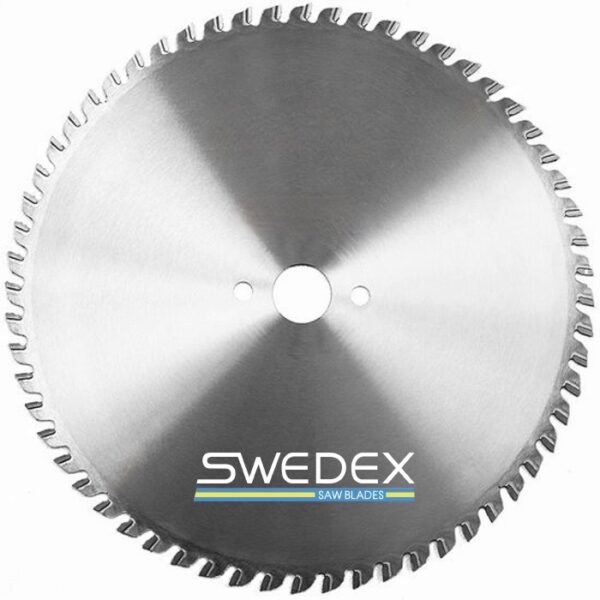
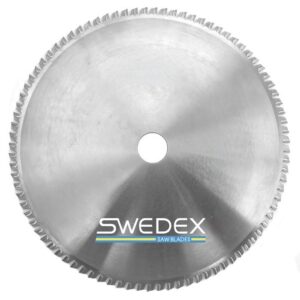
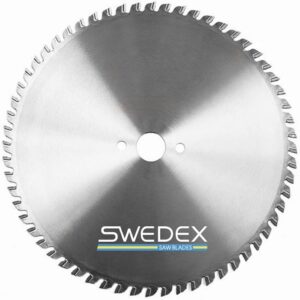
Tungsten Carbide Tipped (TCT) blades are considered the industry standard for cutting uPVC profiles. These blades feature carbide teeth that remain sharp for extended periods, even under demanding production conditions.
Advantages of TCT blades include:
- Exceptional durability
- High cutting accuracy
- Long service life
- Resistance to wear
- Suitable for continuous production environments
Most professional fabricators prefer TCT blades because they deliver consistent performance and excellent cutting quality.
HSS Saw Blades
High-Speed Steel (HSS) blades are another option for cutting uPVC materials. While they can provide good results, they generally wear faster than carbide-tipped alternatives.
Benefits of HSS blades include:
- Lower initial cost
- Easy sharpening
- Suitable for light-duty operations
However, for high-volume manufacturing environments, TCT blades typically provide better long-term value.
Key Features to Look for in uPVC Saw Blades
When evaluating the best saw blades for uPVC window cutting, several factors should be considered.
Tooth Count
The number of teeth significantly impacts cut quality.
Higher tooth counts generally provide:
- Smoother finishes
- Reduced chipping
- Greater cutting precision
For uPVC profiles, blades with a higher tooth count are often preferred because they produce cleaner edges that require less finishing work.
Blade Diameter
The correct blade diameter depends on the cutting machine being used.
Common blade sizes include:
- 250 mm
- 300 mm
- 350 mm
- 400 mm
- 500 mm
Always follow the machine manufacturer’s specifications when selecting blade diameter.
Tooth Geometry
Different tooth configurations are designed for specific cutting applications.
Popular geometries include:
- Triple Chip Grind (TCG)
- Alternate Top Bevel (ATB)
- Combination tooth designs
Triple Chip Grind blades are particularly popular for cutting plastics and uPVC because they reduce chipping and produce smoother cuts.
Blade Thickness
Blade thickness affects both stability and cutting speed.
Thicker blades offer:
- Increased rigidity
- Reduced vibration
- Better stability
Thinner blades provide:
- Faster cutting
- Less material waste
- Lower power consumption
The ideal thickness depends on production requirements and machine capabilities.
Common Problems Caused by Poor Saw Blades
Using low-quality or worn blades can lead to several manufacturing issues.
Chipped Edges
Chipping is one of the most common problems in uPVC fabrication. It often occurs when blades become dull or have an unsuitable tooth design.
Melting and Burning
Excessive friction generated by worn blades can cause heat buildup, resulting in melted edges and poor-quality cuts.
Increased Material Waste
Rough cuts often require additional trimming or may render profiles unusable altogether, increasing production costs.
Excessive Machine Wear
Poor-quality blades create more resistance during cutting, placing additional strain on motors and machine components.
Best Practices for Maintaining Saw Blades
Proper maintenance is critical for maximizing blade performance.
Regular Cleaning
Dust, adhesive residue, and plastic particles can accumulate on blade surfaces over time.
Cleaning blades regularly helps:
- Maintain cutting efficiency
- Reduce friction
- Extend blade lifespan
Proper Storage
Saw blades should be stored in dry, protected environments to prevent damage and corrosion.
Routine Inspection
Operators should frequently inspect blades for:
- Missing teeth
- Cracks
- Excessive wear
- Heat damage
Replacing damaged blades promptly prevents further equipment issues.
Professional Sharpening
Carbide-tipped blades can often be professionally sharpened multiple times before replacement becomes necessary.
Regular sharpening helps maintain optimal cutting performance while reducing operating costs.
How to Choose the Best Saw Blade for Your Production Volume
Different manufacturing environments require different blade solutions.
Small Workshops
Smaller fabrication shops may prioritize affordability and flexibility. A high-quality TCT blade with moderate tooth count often provides the best balance of performance and cost.
Medium-Sized Fabricators
Growing businesses typically benefit from premium carbide-tipped blades that offer extended service life and reduced downtime.
High-Volume Manufacturers
Large production facilities should invest in industrial-grade TCT blades designed specifically for continuous operation and maximum efficiency.
These blades may cost more initially but usually deliver lower overall operating costs through longer lifespan and superior performance.
Signs It’s Time to Replace Your Saw Blade
Recognizing blade wear early can prevent production issues.
Common warning signs include:
- Increased cutting resistance
- Rough or chipped edges
- Excessive vibration
- Unusual noise during operation
- Burn marks on profiles
- Reduced cutting speed
Ignoring these signs can negatively impact both product quality and machine performance.
Frequently Asked Questions
What is the best type of saw blade for uPVC window cutting?
Tungsten Carbide Tipped (TCT) saw blades are generally considered the best option because they offer durability, precision, and long service life.
How many teeth should a uPVC saw blade have?
Higher tooth counts typically produce smoother cuts. The ideal number depends on blade diameter and production requirements.
Can HSS blades cut uPVC?
Yes, HSS blades can cut uPVC effectively, but they generally wear faster than carbide-tipped blades.
Why does my uPVC melt during cutting?
Melting is often caused by excessive heat generated by dull blades, incorrect cutting speeds, or poor blade selection.
How often should saw blades be sharpened?
Sharpening frequency depends on usage levels, material types, and production volume. Regular inspections help determine the appropriate schedule.
Are TCT blades worth the higher cost?
In most fabrication environments, TCT blades provide greater long-term value through longer lifespan, cleaner cuts, and reduced downtime.
What tooth geometry works best for uPVC?
Triple Chip Grind (TCG) tooth geometry is widely regarded as one of the best options for cutting uPVC profiles.
How can I extend the lifespan of my saw blade?
Regular cleaning, proper storage, routine inspections, and professional sharpening all contribute to longer blade life.