Efficient production is the backbone of any window manufacturing workshop. One of the biggest challenges that factory managers and technicians face is downtime. When window machines stop working—whether for maintenance, breakdowns, or lack of spare parts—productivity and profits suffer. Knowing how to reduce downtime in window machines can save costs, ensure timely deliveries, and keep your operations running smoothly.
In this article, we’ll explore proven methods to minimize downtime, from preventive maintenance and staff training to investing in the right consumables and spare parts.
Understanding Downtime in Window Machinery
Downtime refers to any period when your machines are not producing. It can occur due to:
-
Unexpected breakdowns.
-
Lack of essential spare parts.
-
Poorly trained staff.
-
Inefficient production planning.
-
Lack of regular maintenance schedules.
For window fabricators, downtime can mean missed deadlines, wasted materials, and frustrated customers. That’s why every workshop must have a clear plan to reduce downtime in window machines.
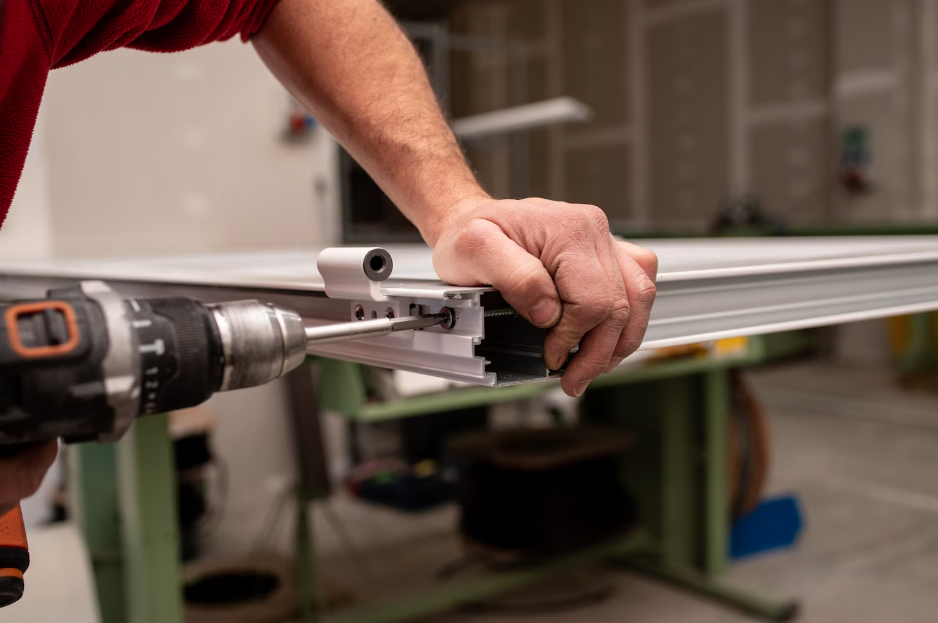
Preventive Maintenance: The First Line of Defense
One of the most effective ways to minimize downtime is through preventive maintenance. Instead of waiting for machines to break down, schedule inspections and maintenance activities regularly.
Key Preventive Measures:
-
Daily Checks: Ensure lubrication, oil levels, and air filters are inspected every day before operation.
-
Weekly Inspections: Tighten bolts, check belts, and clean dust or debris from sensitive parts.
-
Monthly Servicing: Replace worn-out consumables and inspect all moving parts for early signs of damage.
By implementing preventive maintenance, you not only extend the lifespan of your machines but also reduce the risk of unexpected failures.
Stocking the Right Spare Parts
Nothing increases downtime more than waiting for a spare part to arrive. Workshops that rely on urgent orders waste valuable production hours.
Essential Spare Parts to Keep in Stock:
-
Cutting blades and saw components.
-
Bearings and belts.
-
Hydraulic hoses and fittings.
-
Electrical switches and control modules.
-
Lubricants, filters, and seals.
Having these parts on hand ensures that small breakdowns can be fixed immediately, keeping production lines moving without major interruptions.
The Role of High-Quality Consumables
Consumables such as cutting fluids, adhesives, and fasteners play a huge role in the efficiency of your machinery. Poor-quality consumables cause more wear and tear, leading to machine breakdowns and longer downtime.
-
High-grade lubricants reduce friction and overheating.
-
Durable cutting tools last longer and deliver precise results.
-
Reliable adhesives and sealants minimize rework and waste.
By investing in high-quality consumables, you indirectly cut down machine downtime and improve overall productivity.
Training Staff to Handle Machines Effectively
Even the best machines can break down if handled incorrectly. Human error is one of the leading causes of downtime. Proper training is essential to keep machines in top condition.
Staff Training Should Cover:
-
Correct startup and shutdown procedures.
-
Safe handling of machine tools.
-
Immediate steps to take when a fault is detected.
-
Routine cleaning and care after daily shifts.
A well-trained team can detect small issues early and resolve them before they grow into major problems that halt production.
Embracing Predictive Maintenance Technologies
Modern factories are moving toward predictive maintenance powered by sensors and monitoring software. Instead of relying on fixed schedules, predictive maintenance uses real-time data to identify potential failures.
Benefits of Predictive Maintenance:
-
Detects faults before they cause breakdowns.
-
Minimizes unnecessary part replacements.
-
Provides data-driven insights for machine efficiency.
-
Reduces overall maintenance costs.
While predictive systems require upfront investment, they pay off by significantly reducing downtime and unexpected stoppages.
Optimizing Production Planning
Downtime isn’t always caused by machine breakdowns—it can also happen due to poor planning. If your team doesn’t schedule shifts, maintenance, and spare part use correctly, production will face delays.
Best Practices for Planning:
-
Create a maintenance calendar integrated with your production schedule.
-
Rotate machines to balance workload.
-
Keep a logbook of all downtime events to identify repeating issues.
-
Align machine servicing with off-peak production hours.
By organizing production efficiently, you ensure that downtime has the least possible impact on output.
Working with Trusted Suppliers
Reliable suppliers are your partners in minimizing downtime. Choosing a supplier that provides fast delivery, genuine spare parts, and technical support makes a huge difference in how quickly you recover from a breakdown.
When sourcing suppliers:
-
Check their delivery times.
-
Ensure they offer a wide range of window machine spare parts.
-
Ask about warranties and after-sales support.
-
Choose suppliers with proven experience in the window fabrication industry.
A strong supplier relationship means you’ll never be left waiting too long for critical components.
Upgrading Old Machinery
Sometimes, downtime occurs not because of poor maintenance but because the machines are simply too old to handle modern production needs. While upgrades require investment, the long-term benefits often outweigh the costs.
Signs that it may be time to upgrade include:
-
Frequent breakdowns despite regular maintenance.
-
Increasing difficulty in finding spare parts.
-
Excessive energy consumption.
-
Limited compatibility with modern production methods.
Upgrading to newer, more efficient machines can drastically cut downtime and boost productivity.
Questions & Answers
Q1: What is the most common cause of downtime in window machines?
A: The most common cause is unexpected breakdowns due to lack of preventive maintenance and poor spare part availability.
Q2: How often should window machines be serviced?
A: Daily checks are essential, with weekly inspections and monthly servicing recommended for optimal performance.
Q3: Can low-quality consumables really increase downtime?
A: Yes, using poor consumables leads to more frequent wear and tear, which results in machine breakdowns and higher downtime.
Q4: Is predictive maintenance suitable for small workshops?
A: While predictive systems are more common in large factories, small workshops can also benefit by starting with basic sensors and monitoring software.
Q5: What’s the best way to prepare for unexpected breakdowns?
A: Keep essential spare parts in stock, train staff to handle minor issues, and build a strong relationship with reliable suppliers.